

A hydraulic power pack, also known as a hydraulic power unit, is a self-contained system that generates and delivers hydraulic power for various applications. It consists of components such as a motor, fluid reservoir, pump, valves, and controls. The main purpose of a hydraulic power pack is to provide the necessary force and pressure to operate hydraulic machinery.
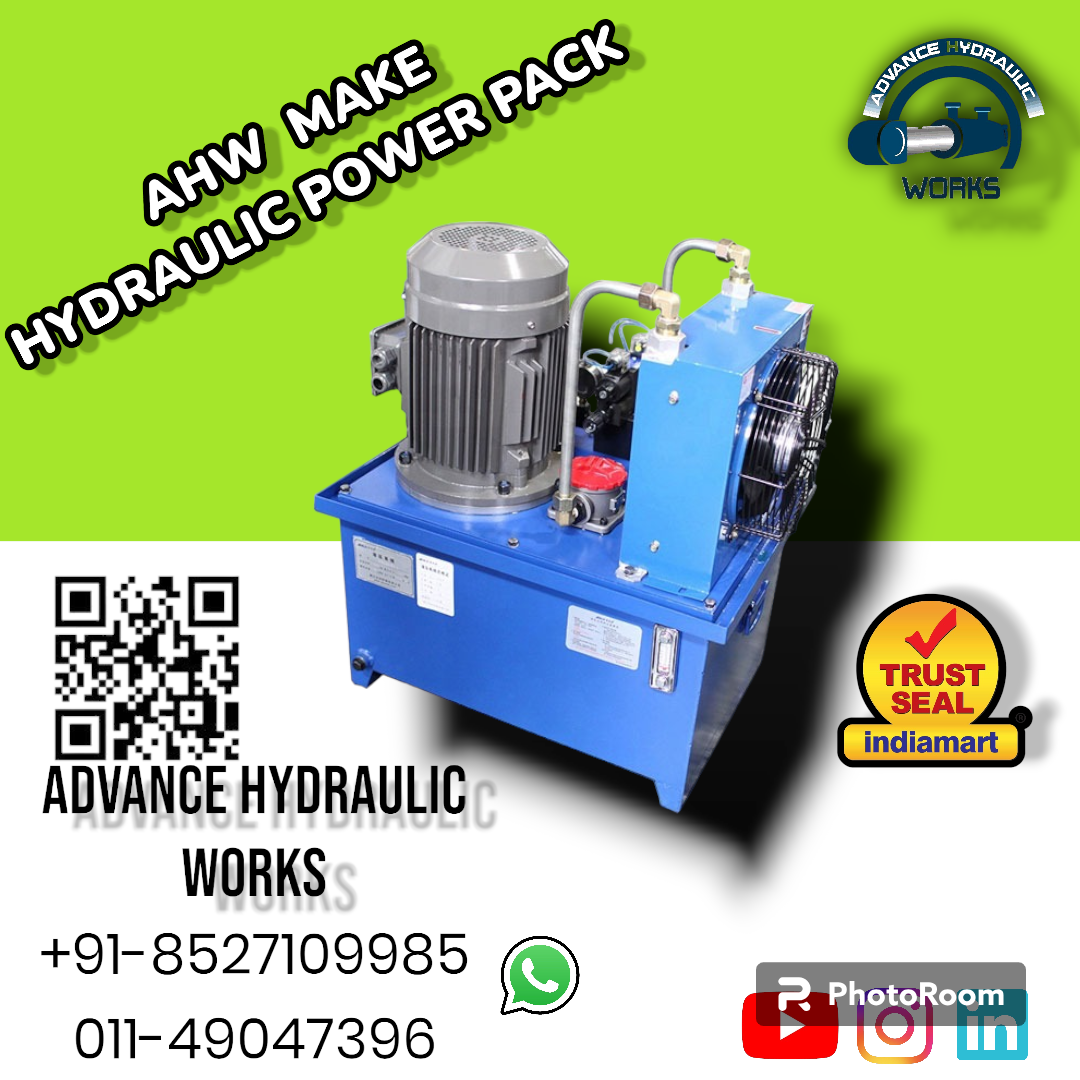
Hydraulic power packs are widely used in industries such as construction, manufacturing, and automotive. They are capable of powering hydraulic tools, cylinders, lifts, and other equipment that require precise control and high force. These power packs work on the principle of transferring energy from one object to another through pressurized hydraulic fluid.
The hydraulic fluid, typically oil, is stored in the reservoir. The motor drives the pump, which pressurizes the fluid. The pressurized fluid is then directed to the desired hydraulic component through valves, which control the flow rate and direction of the fluid. This allows the hydraulic power pack to perform various tasks, such as lifting heavy objects, operating hydraulic presses, and powering hydraulic systems in machinery.
Overall, hydraulic power packs play a crucial role in providing reliable and efficient hydraulic power for a wide range of applications. They are known for their power, durability, and versatility in various industries
12 VDC Standard hydraulic power pack is Made to function in wide and varied applications Related Fluid Power standard and custom hydraulic power packs are up to the task. From simple motor pump units to multi-functional electrical converter assemblies, we will provide solutions that fully meet our customers’ expectations of performance, quality and price .
Continued investment in design and manufacturing, along side our wide application and engineering experience, has not only allowed us to develop our latest range of ordinary hydraulic power packs but has enabled us to supply our OEM customers with custom electrical converter systems to specifically meet requirements in terms of flexibility, power, control and size.


