

How to Fix a Hydraulic Pump: A Guide for Beginners
Hydraulic pumps are essential components of many industrial machines. As with all mechanical devices, hydraulic pumps can develop issues over time, such as fluid leakage, pressure loss, or unwanted noises. It is important to identify and fix these issues quickly to avoid costly downtime and ensure smooth business operations. In this article, we will provide a step-by-step guide to help you troubleshoot and repair common hydraulic pump problems.
Understanding the different types of hydraulic pumps is crucial to effectively fix hydraulic pump issues. Each type has unique characteristics and applications. Here are a few types:
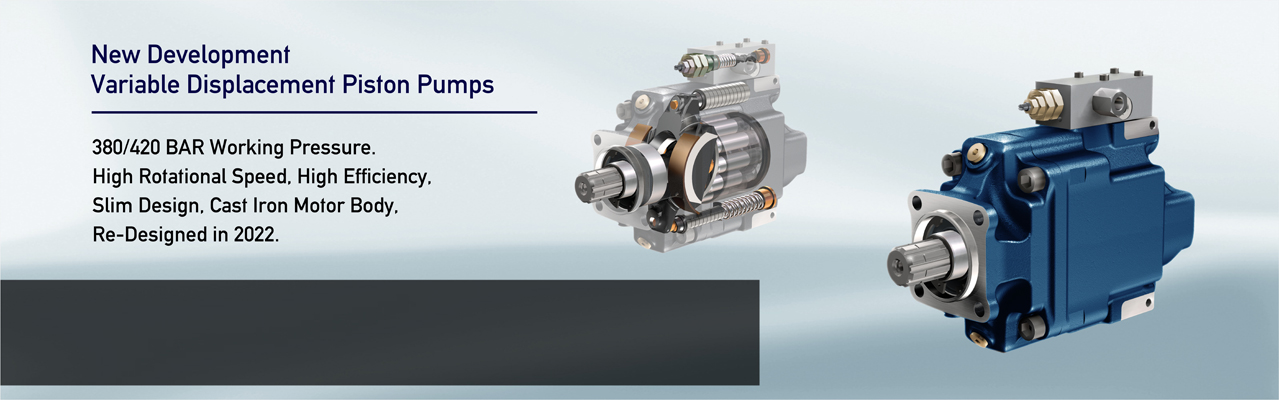
1. Piston Pumps:
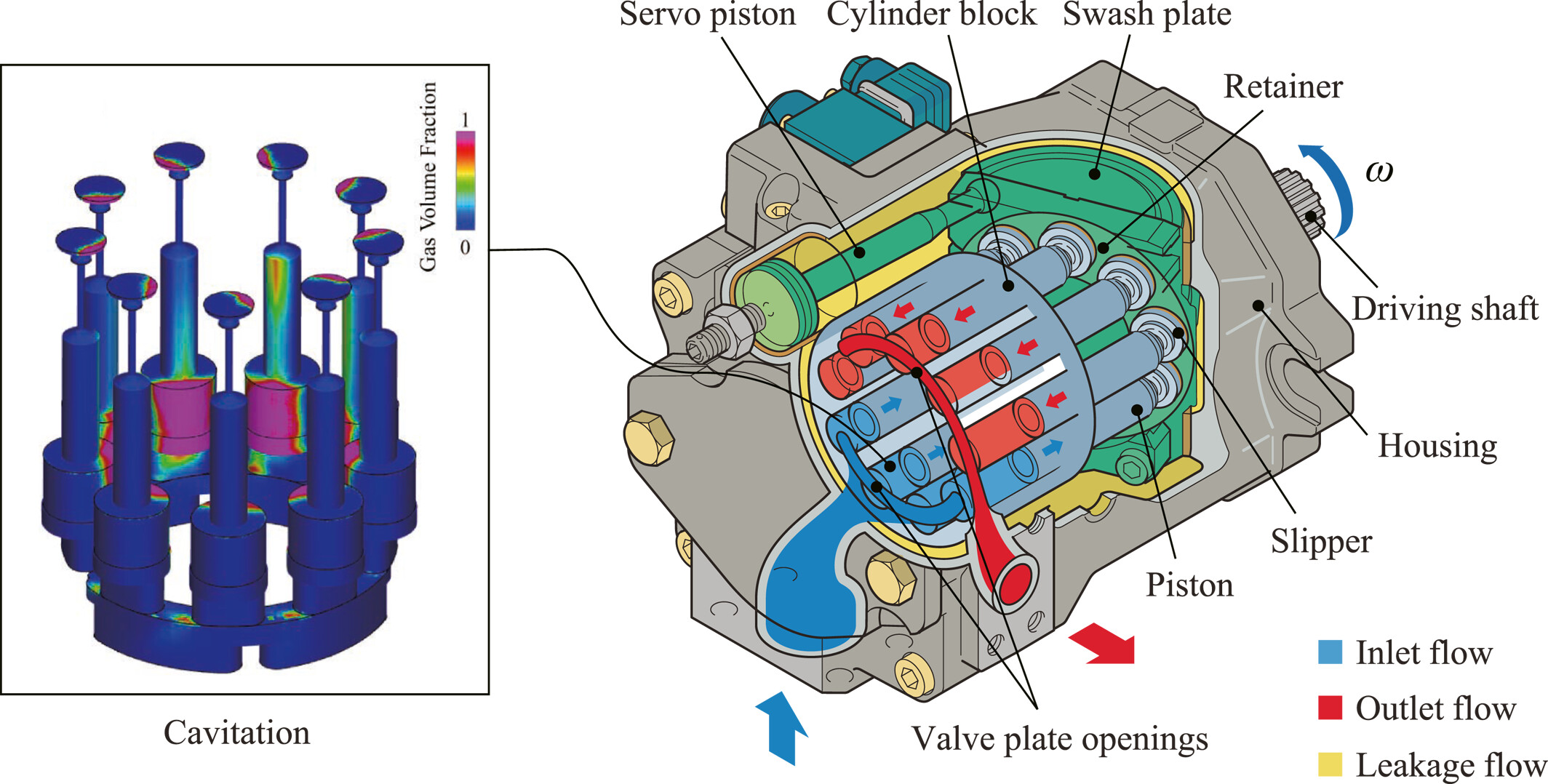
Piston pumps are highly efficient and reliable. They use reciprocating pistons to pressurize hydraulic fluid, making them suitable for high-pressure and precise control applications.
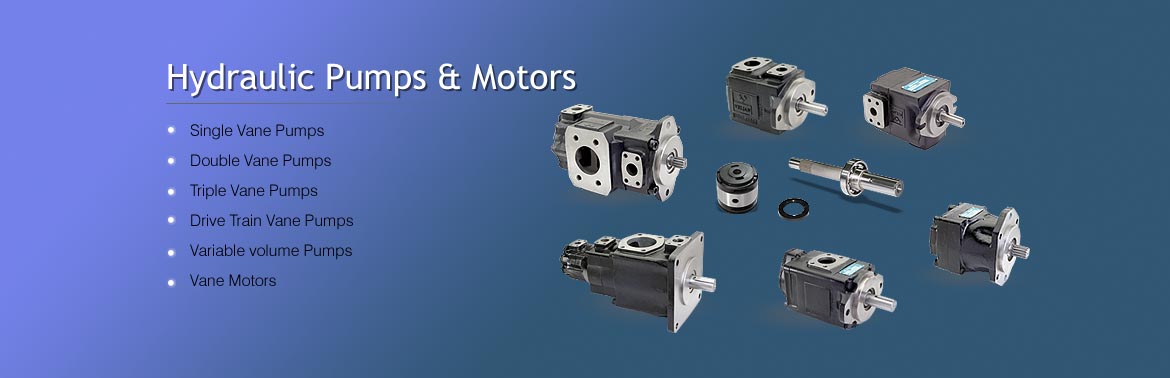
2. Vane Pumps:
Vane pumps are simple and cost-effective pump systems, consisting of rotating vanes that create pressure by trapping and releasing fluid between the vanes and the pump housing. These pumps are widely used in industrial and mobile hydraulic systems.
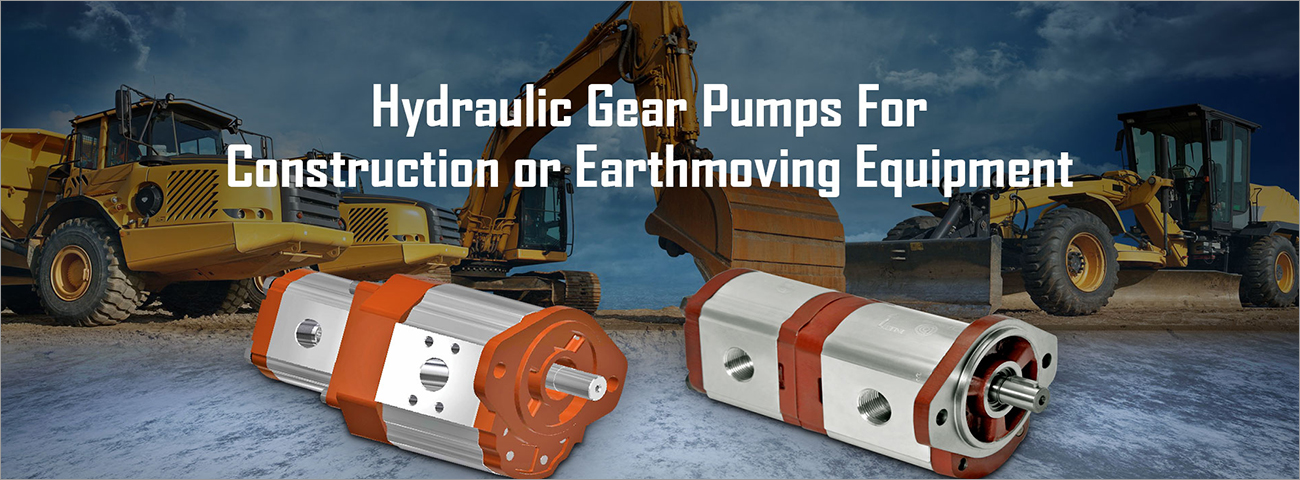
3. Gear Pumps:
Gear pumps are the simplest type of hydraulic pump, making them popular for many applications. They consist of meshed gears that transfer fluid from the inlet to the outlet and are known for their durability and affordability.
It is important to understand the common causes of hydraulic pump failure to troubleshoot effectively. Here are a few reasons for hydraulic pump failure:
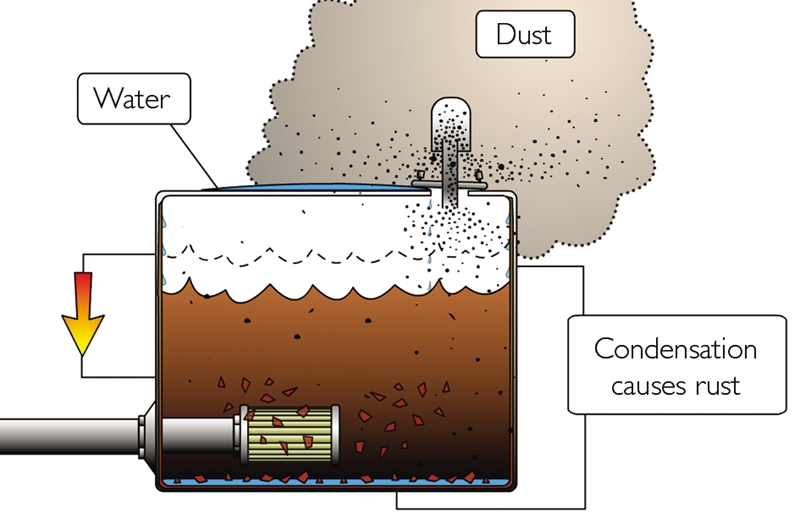
1. Fluid Contamination:
Fluid contamination is one of the primary reasons for hydraulic pump failure. Dirt, debris, and moisture can impair a pump's performance and damage its internal components. Therefore, it is essential to maintain clean hydraulic fluid and regularly inspect and replace filters.
2. Cavitation:
Cavitation occurs when the hydraulic fluid experiences low pressure, forming vapor bubbles. These bubbles collapse rapidly, resulting in shockwaves that can erode pump surfaces and hinder their operation. Proper fluid levels, unrestricted flow, and correct pressure are essential to prevent cavitation.
3. Excessive Temperature:
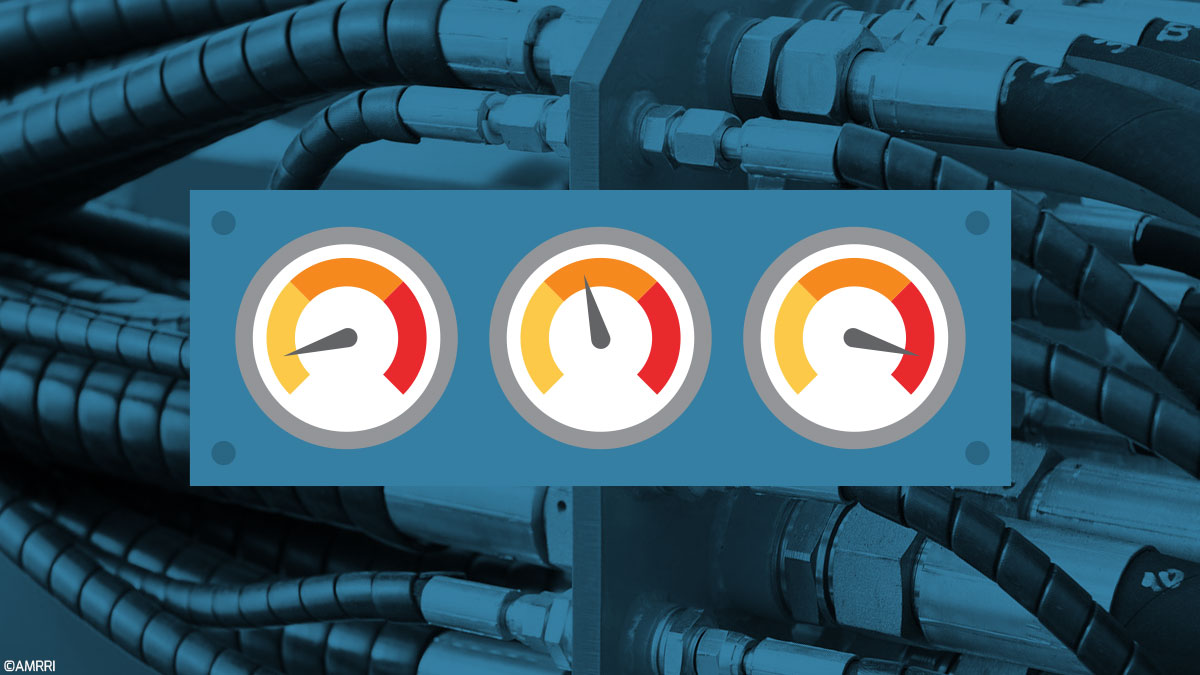
Operating a hydraulic pump at high temperatures can cause premature wear and failure of its components. Excessive heat can lead to fluid degradation, seal failure, and reduced pump efficiency. It's important to monitor and control the operating temperature of the hydraulic system through cooling measures if necessary.
4. Uncorrected Leaks:
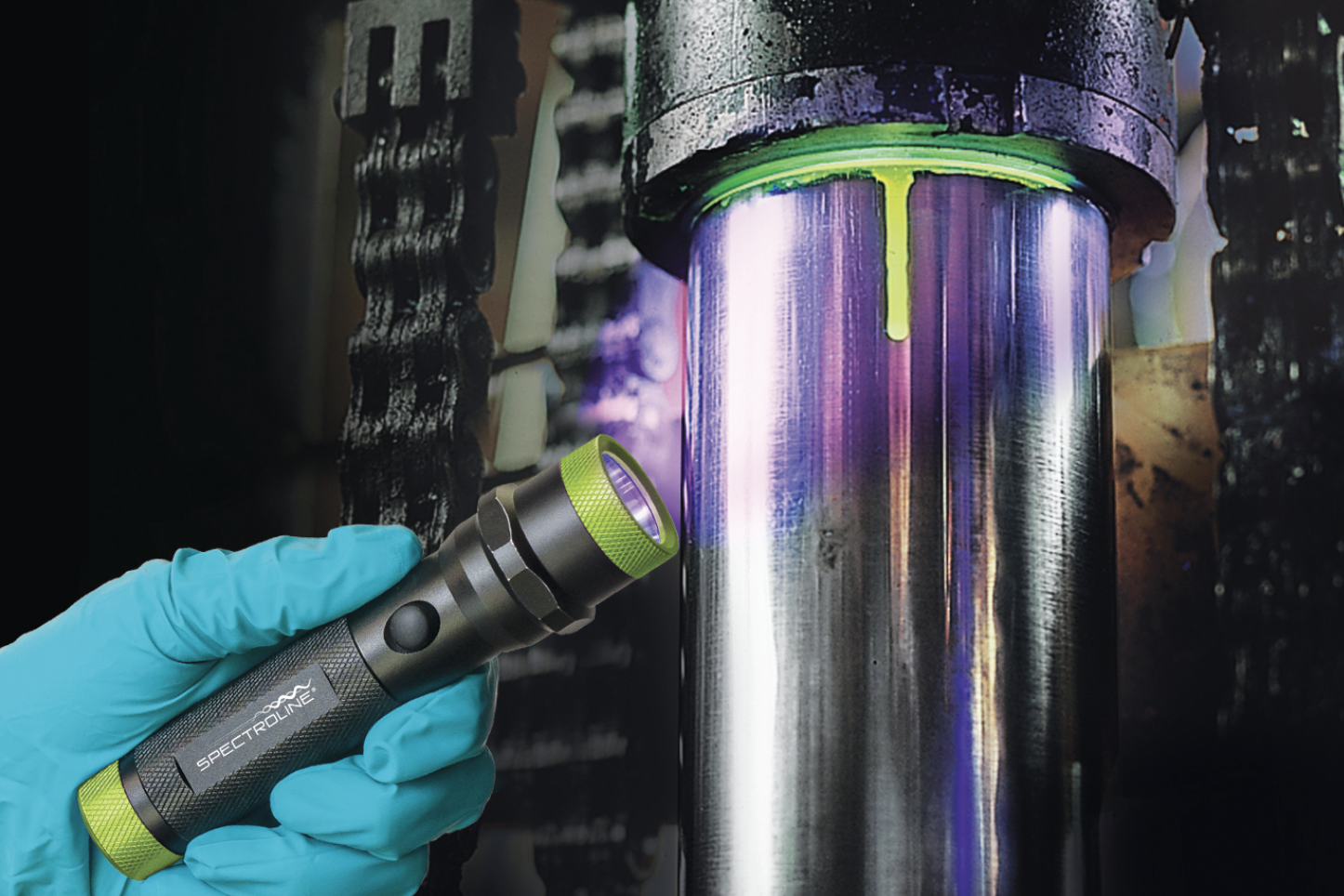
Leaking hydraulic connections or damaged seals introduce air into the system, reducing pump performance and increasing the potential for failure over time.
To repair a hydraulic pump, you need to carefully inspect the pump and have a basic understanding of its components. Here are the steps to fix common issues:
1. Identify the Problem:
Determine the specific issue with your hydraulic pump, such as pressure loss, unusual noise, or fluid leakage. This initial diagnosis will guide your repair process.
2. Shut Off the System:
Before performing any repairs, turn off the hydraulic system and relieve the pressure to prevent accidents or injuries.
3. Inspect for Leaks:
Thoroughly check all connections, fittings, and seals for signs of leakage. Replace any damaged components and ensure that all connections are properly tightened.
4. Clean the System:
If fluid contamination is suspected, flush the hydraulic system thoroughly and replace the fluid with clean, recommended hydraulic oil. Regularly maintain clean filters to prevent future contamination.
5. Check the Filters:
Inspect and clean or replace the filters to ensure proper fluid filtration and prevent further contamination. Regular filter maintenance is essential for optimal pump performance.
6. Address Cavitation Issues:
If cavitation is detected, check the system for any restrictions, blockages, or incorrect fluid levels. Address these issues and ensure proper fluid flow to eliminate cavitation.
7. Monitor Temperature:
Regularly monitor the operating temperature of the hydraulic system. If excessive heat is detected, consider installing additional cooling measures or addressing any underlying issues causing high temperature.
8. Seek Professional Assistance:
If you encounter complex or major pump issues during the repair process, seek help from a professional hydraulic technician to ensure proper repairs and prevent further damage.
